Water Garden Memories

What is it about a water garden that draws us to it?  The dewy dripping of a fountain or the texture of the plantings?  Perhaps it’s when we see fish in it and we hover over the water to watch them, feed them.  Somehow, I think the Garden of Eden must have had a water feature.

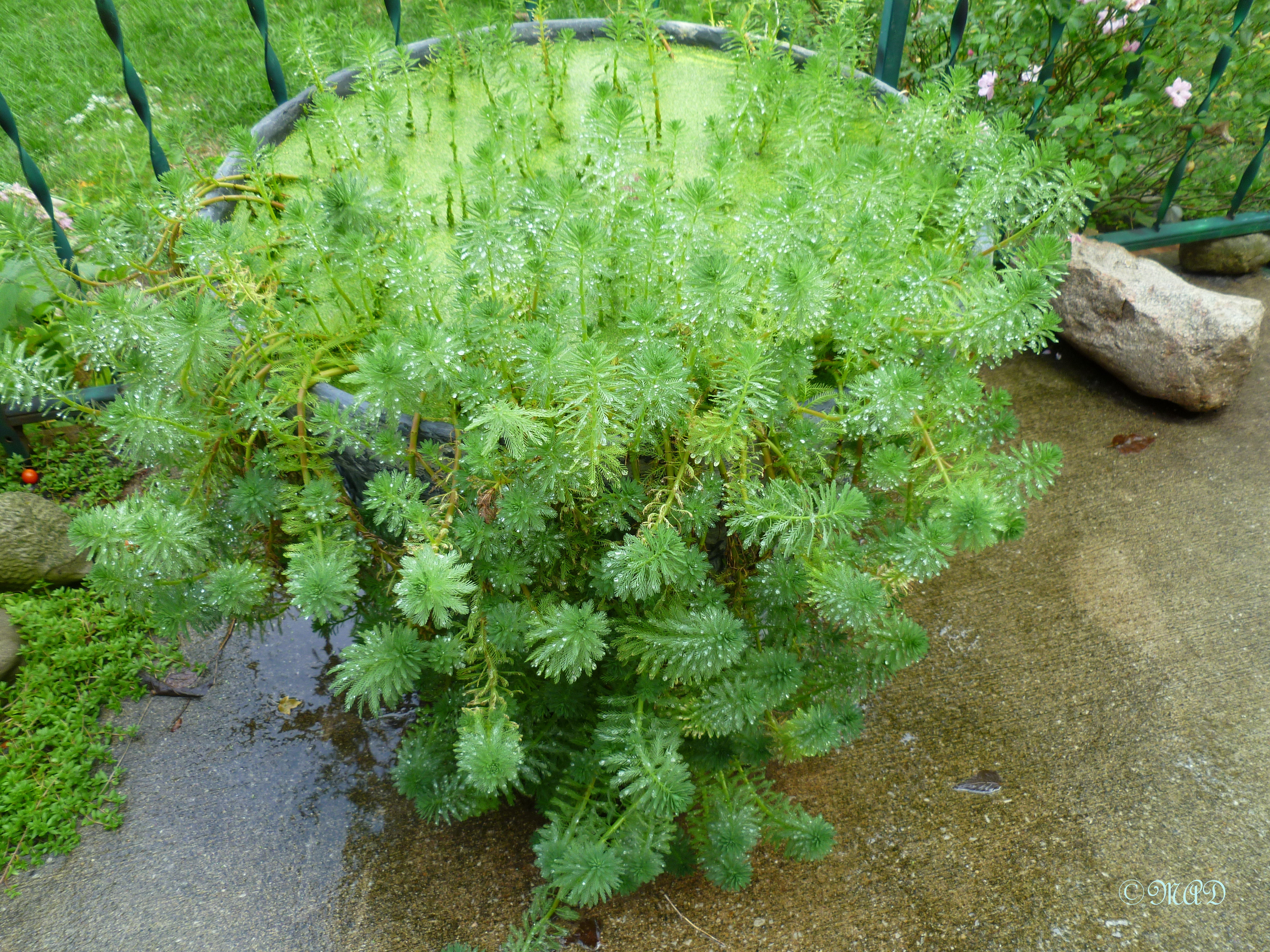
I‘ve carried this water garden pot around with me whenever I move. It’s small enough and portable enough to just pick up and go and then easily set it up again.

IMG_3082

I filled it with water from the outdoor faucet, let the water sit for a day or two, added a little anti-algae mixture I bought at the garden center and put a mosquito dunk tablet in to float and kill off the larvae.  I put just two or three water plants in it, which I purchased at a garden center that specializes in water gardening (they can also be purchased online) – last year I had only 2, a little floating leaf plant and the one shown here at the beginning of the season.  Both of them eventually grew to fill the whole container.   It was its own microcosm with frogs and snails. Butterflies, bees and dragonflies came to quench their thirst.  Some years I put a floating lettuce in it, which is fun to watch growing, dividing and making babies.   It was just beautiful. September 7, 2012 003                                                                                              These plants from last year were so soft and dewy, begging me to reach out and run my fingers along them.  They were an oasis in my backyard, a place to sit and gaze, thoughtlessly.

I‘ve got it empty and waiting to be filled with water and plants again this year.  I can hardly wait to see it.

Posted in Gardening | Tagged | 10 Comments

Gardening Genes Part I

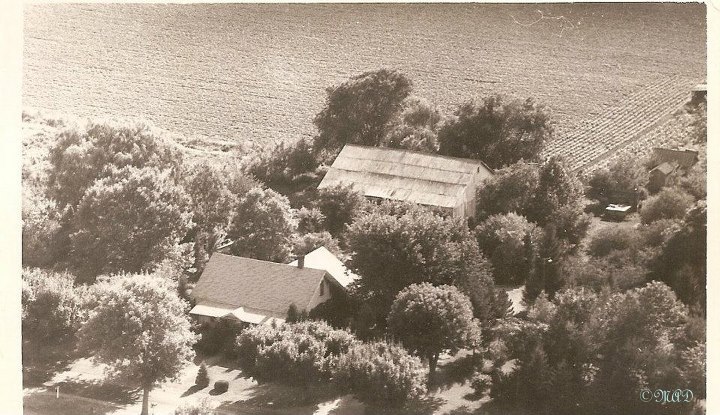
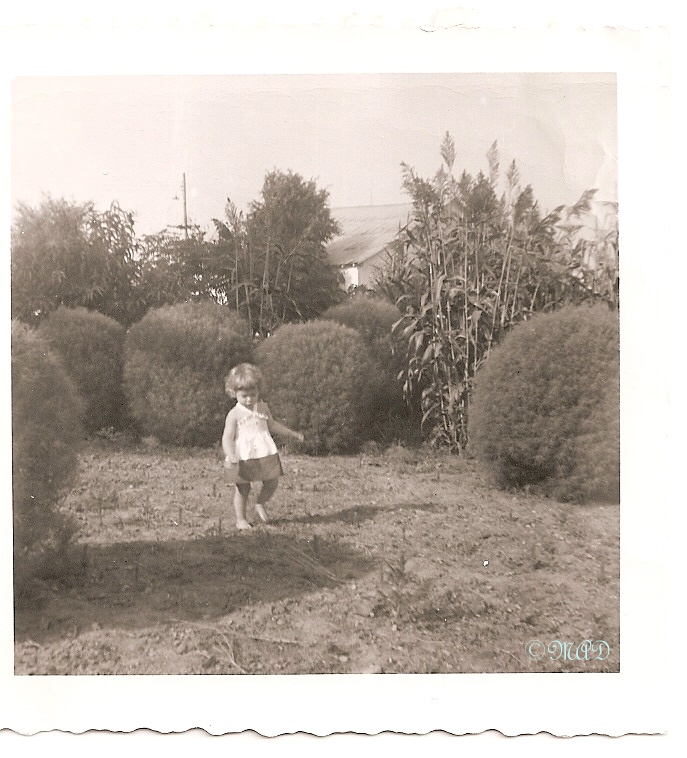
When I was born, I went to live with my grandparents Jasper & Bertha Ward on their farm/tree nursery with my other siblings, after they had raised 12 children of their own.  scan0039This was not their first farm, they originally had a dairy farm in another county.

When Jasper retired from farming in the early 1950’s, he slowly converted part of the acreage into a tree nursery, along with beautiful gardens.  And, from what my great aunt Molly Noe (Jasper’s sister) told me, his father, Joseph Ward, also was a gardener (he had done gardening for the Lily family on Meridian Street in Indianapolis).

My siblings & I grew up in this beautiful environment and it must have rubbed off on at least 2 of us, as my brother also is quite the gardener too.  IMG_3311Jasper passed his love of farming and gardening on to the next generations.   He had many grandchildren and some of them are now farmers and gardeners too.

scan0046Perhaps it’s in our genes? 😉  I like to think so….

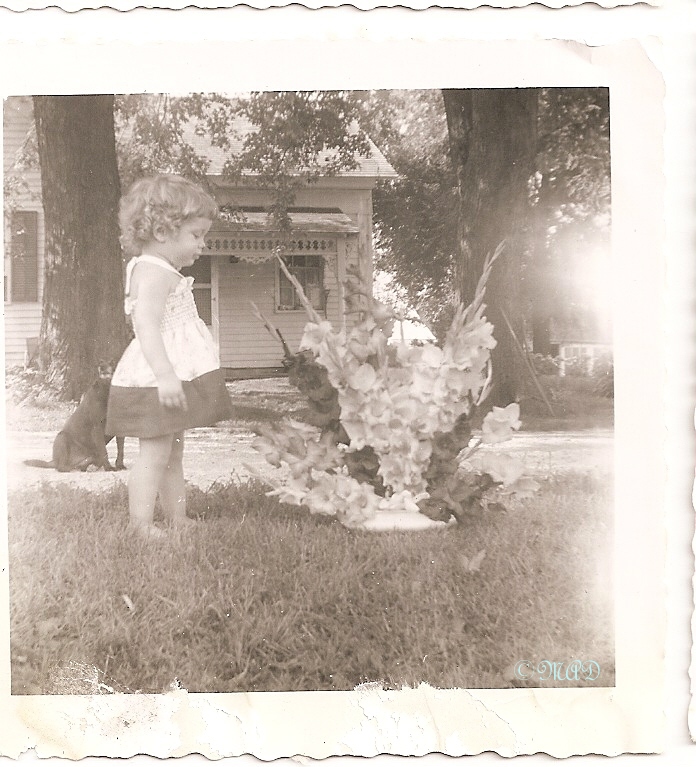
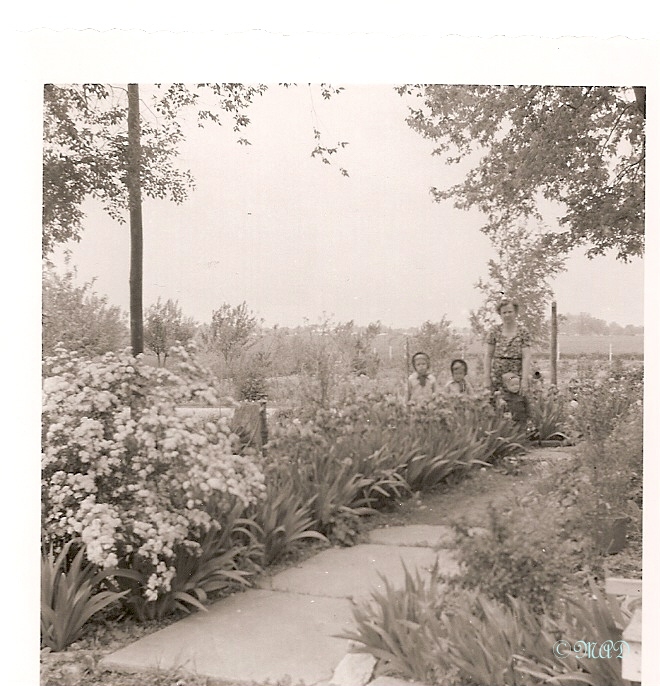
Life on the farm/tree nursery was idyllic to a little youngster, plenty of room to run free and explore.  Jasper had planted beautiful peony gardens for Bertha, gardens filled with perennials, bulbs like tulips and lilies and a big vegetable garden, which kept us fed year round.  There was an orchard, with a little creek running by the back side of it and plenty of trees to climb and build forts in and two big barns to explore.   There were cherry trees and pear trees, raspberries, walnut trees and pecan trees.  There were even gooseberry shrubs.  He tried his hand at grafting fruit trees and was quite good at it.  When we were little tykes like in the above photo, there were chickens and sheep (baby lambs), as well as hogs.

scan0041

I like to think I got an early start …..

Posted in Gardening | Tagged | 3 Comments

Think of Indiana and what do you think of?  Flat green farmland extending for miles across the state and gentle rolling hills in the south?  Think again, Indiana has some surprising landscapes and areas to share that the outsider might not know about. 

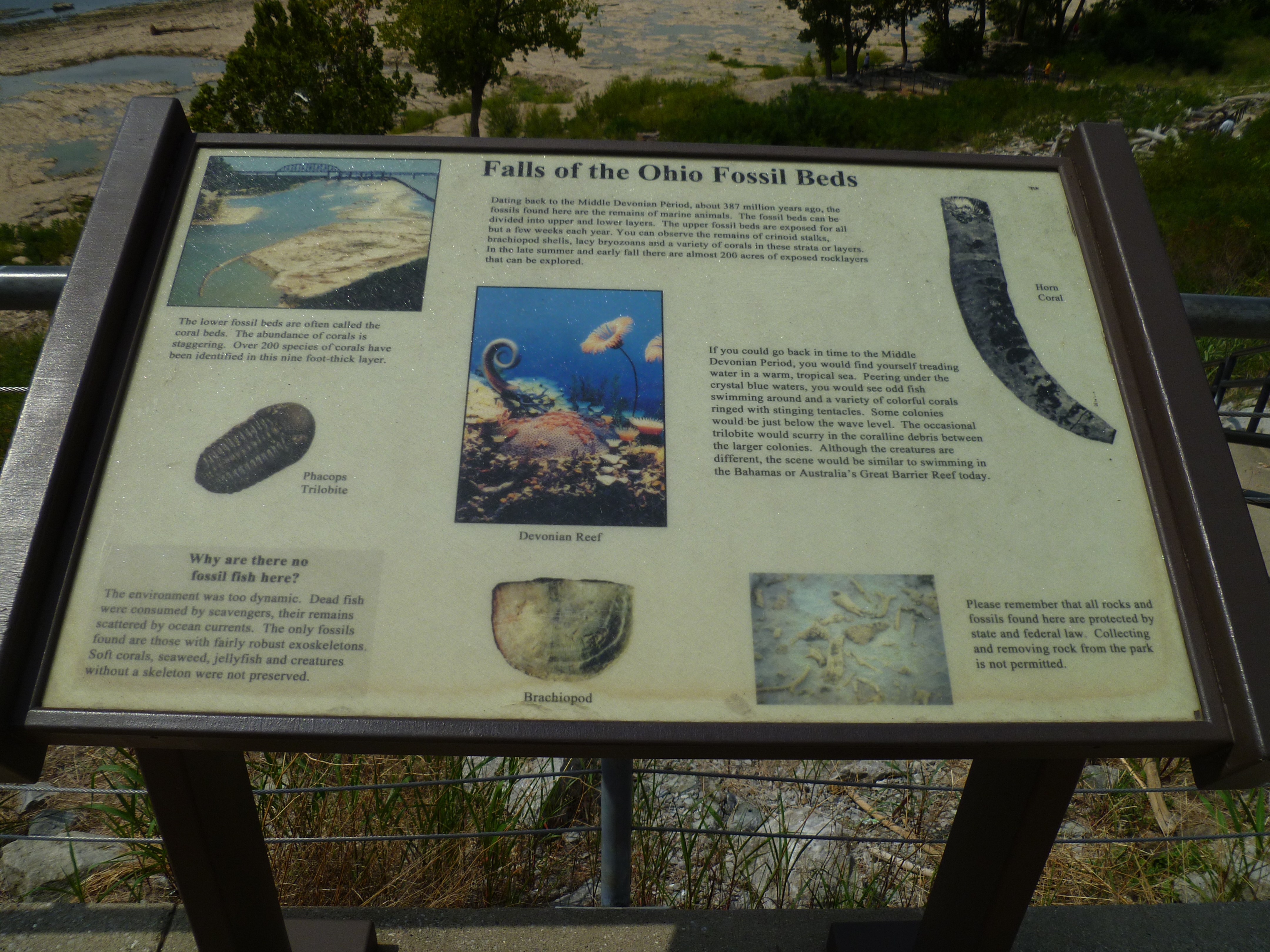
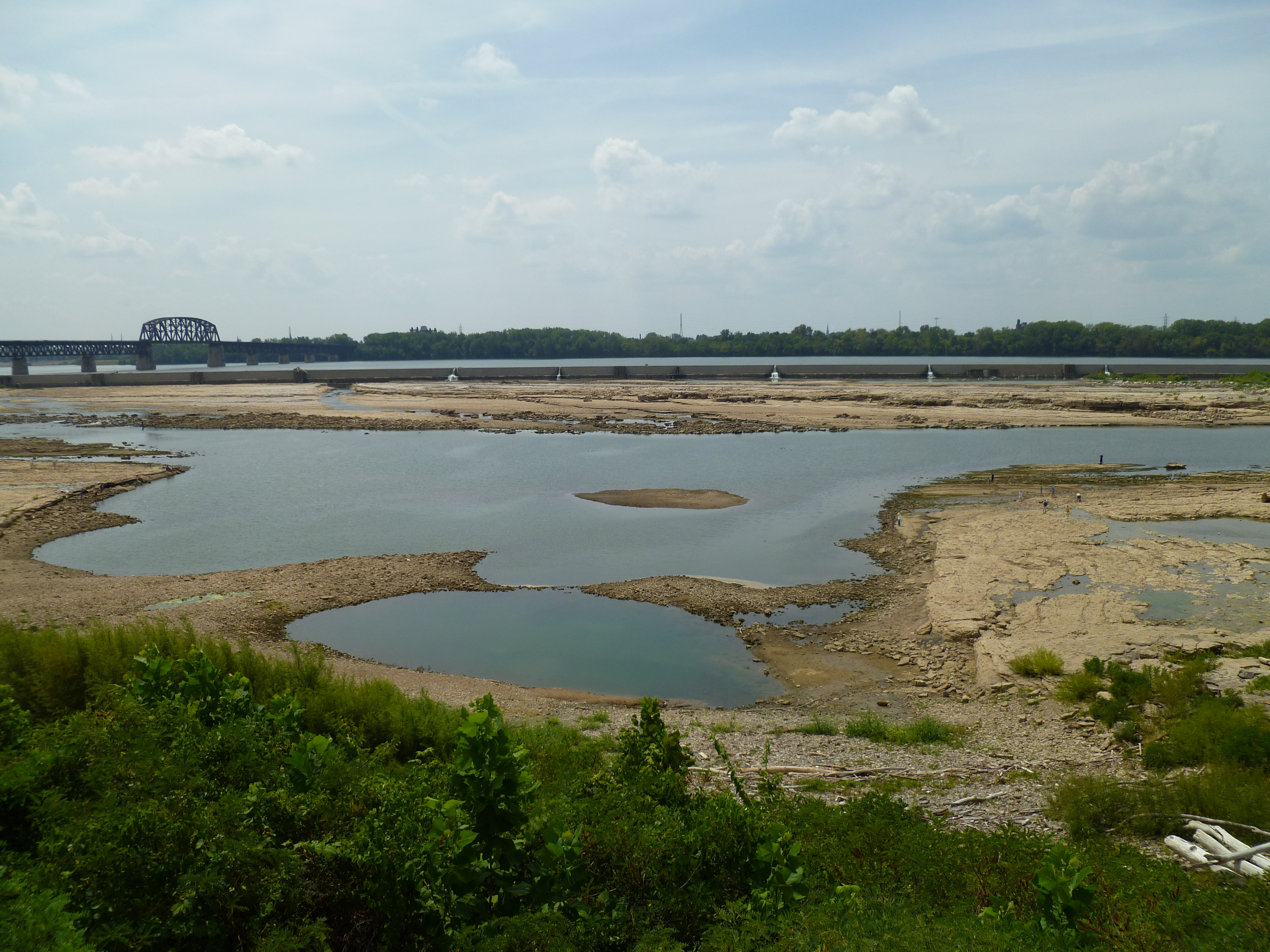
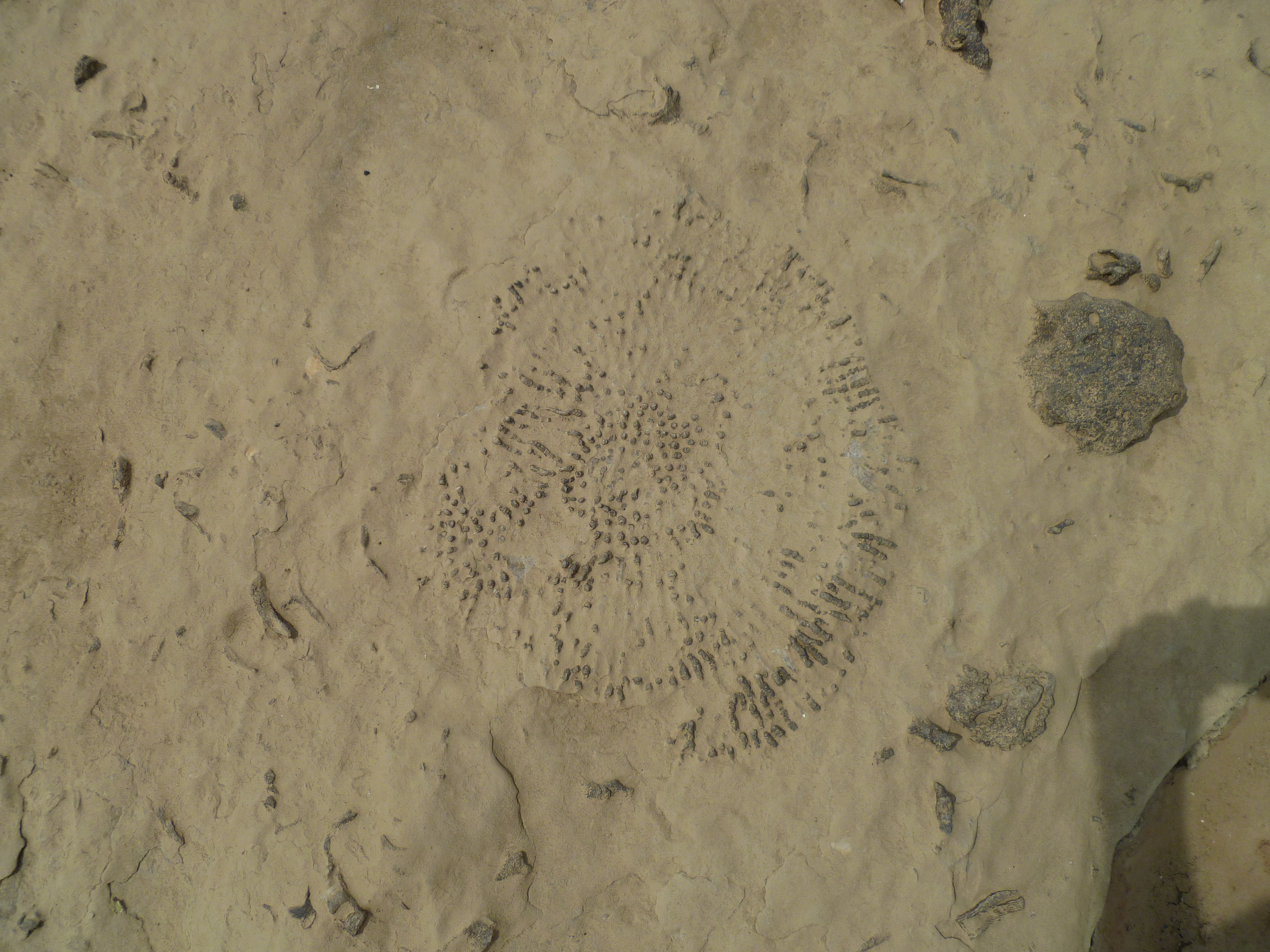
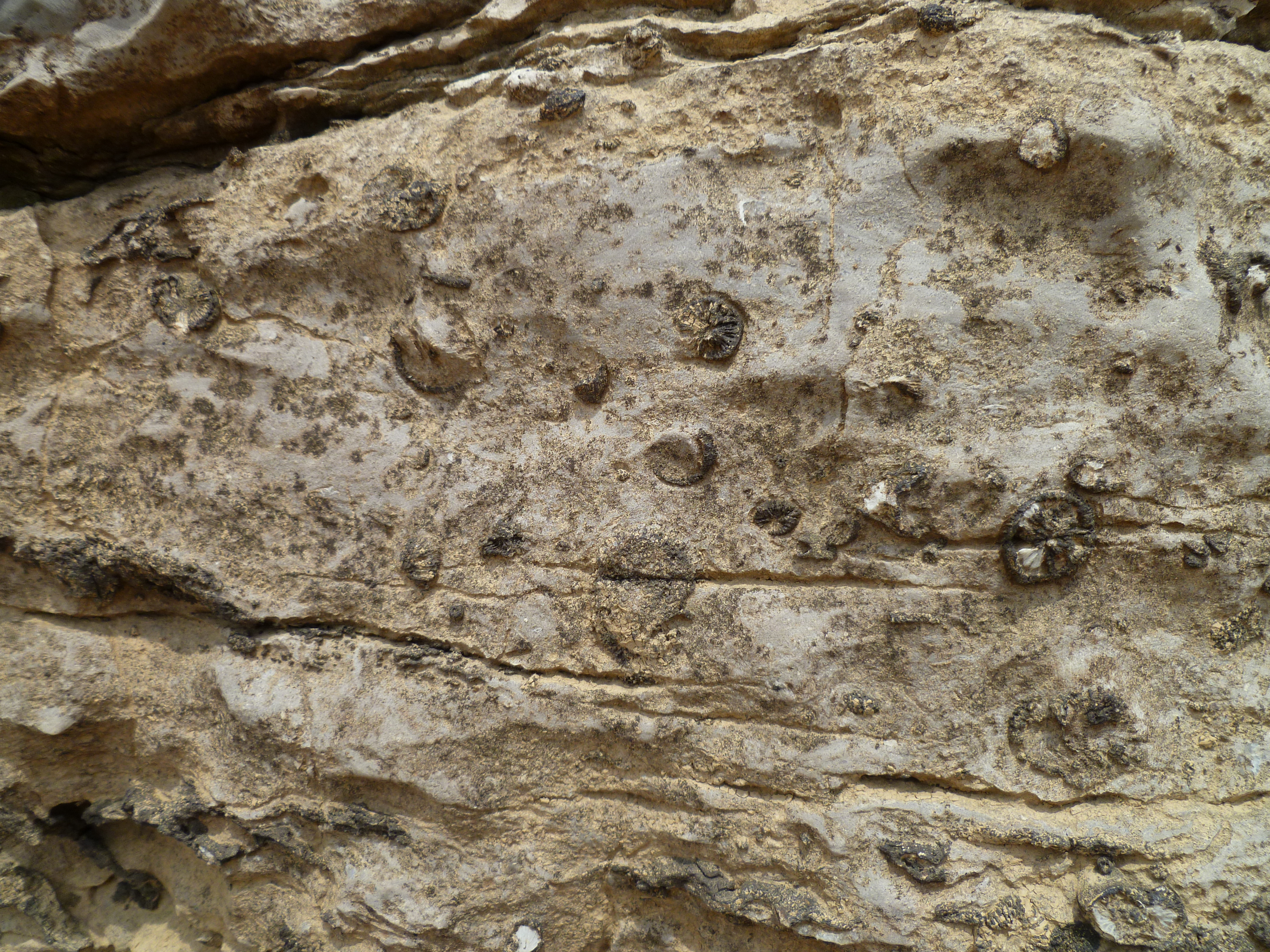
One place I visited last summer was the Falls of the Ohio State Park on the Western bank of the Ohio River opposite Louisville, Kentucky. August 27, 2012 021 It’s a small area when you think of state parks, but it’s packed with eons of archeological data worth donning your old tennis shoes and exploring.  Ages ago, this part of Indiana was under a saltwater sea.  There are fossils of corals, fish, and other marine life.   At one time long ago, this area would have been more like the habitat found in the Caribbean.  There had been quarrying here in the distant past, but it is now a preserved bank of fossil rich limestone.

I headed out one hot August Saturday, in the midst of the drought and a high heat index that strongly suggested anyone anywhere in Indiana stay inside and sip on cool ice tea.  My wanderlust had kicked in and I hopped in the car and drove the 2 1/2 hours it takes to get down Interstate 65 to the last exit before one glides across the bridge into Louisville, Kentucky.   After exiting, you continue driving west for only a short distance, where you pass through a congested area of river front hotels and restaurants.  It doesn’t look very fancy, but it was bustling with tourist activity and by the time I arrived, folks were showing up for their lunch reservations.  Passing through this area, through a series of 4-way stops, you continue on to a sign showing that you exit to your left into the parking area of the Park and Museum.  Don’t go too far before exiting or you drive right into residential areas, with signs telling you not to turn around in their driveways.  

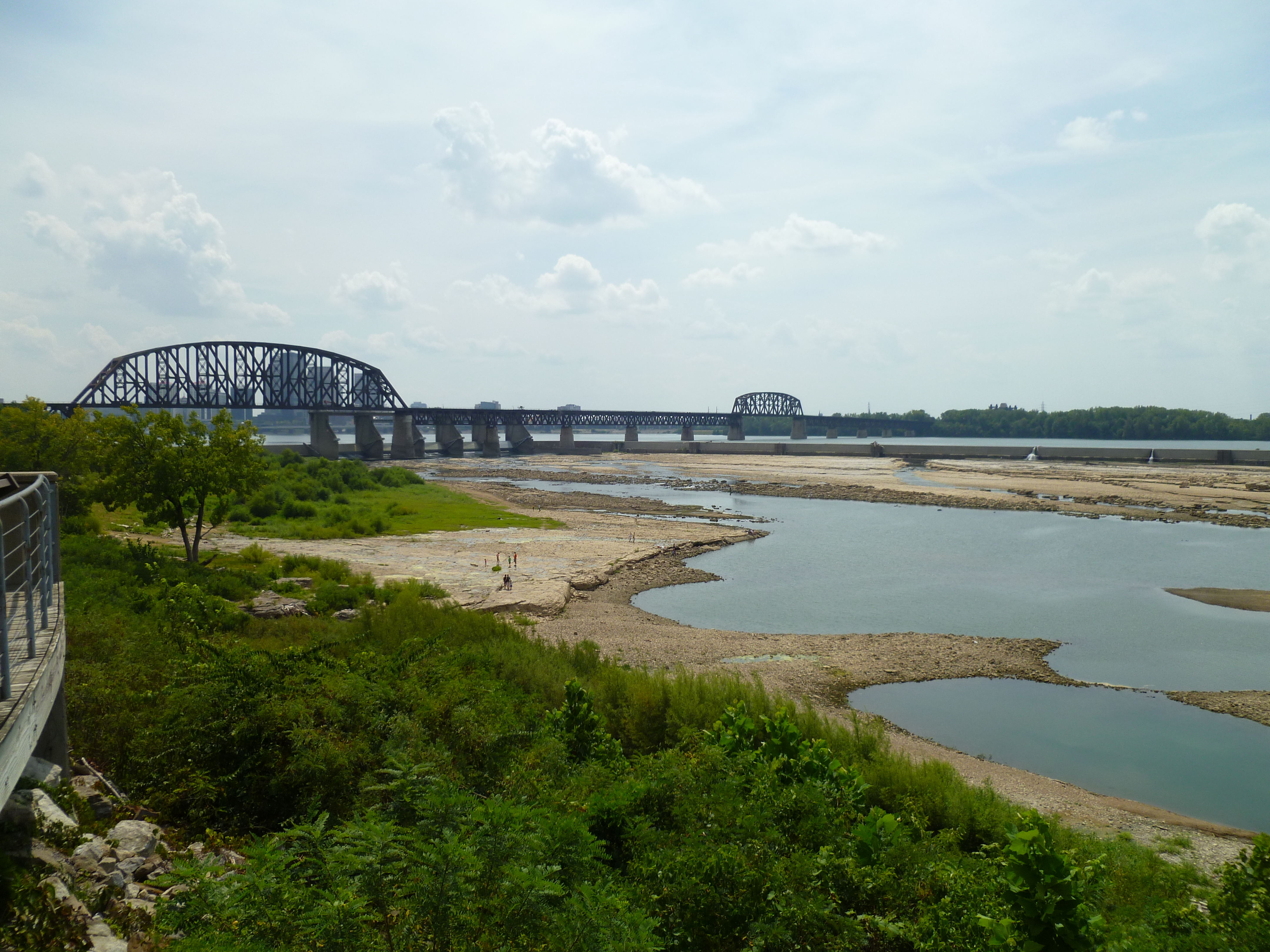
After parking, I walked up the sidewalk and ramp onto an overlook deck, which made for great panoramic photo sessions as you could see the fossil beds and the bridge going over the Ohio River into Louisville, KY.  August 27, 2012 018First stop was to go inside and take a look around the museum, and get a pass for parking.  The museum was quite interesting, containing artifacts dug up years past and a little history of the area.

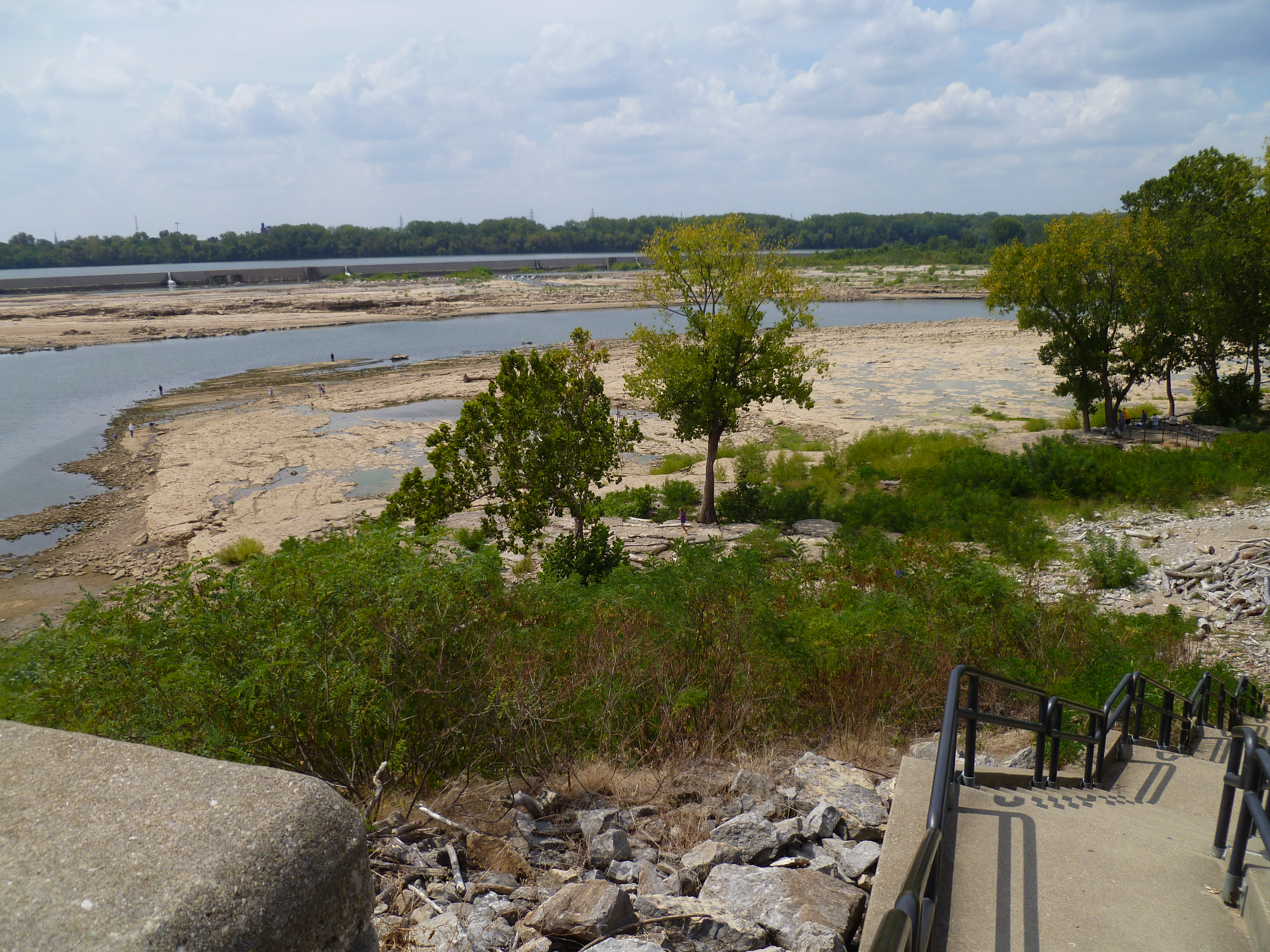
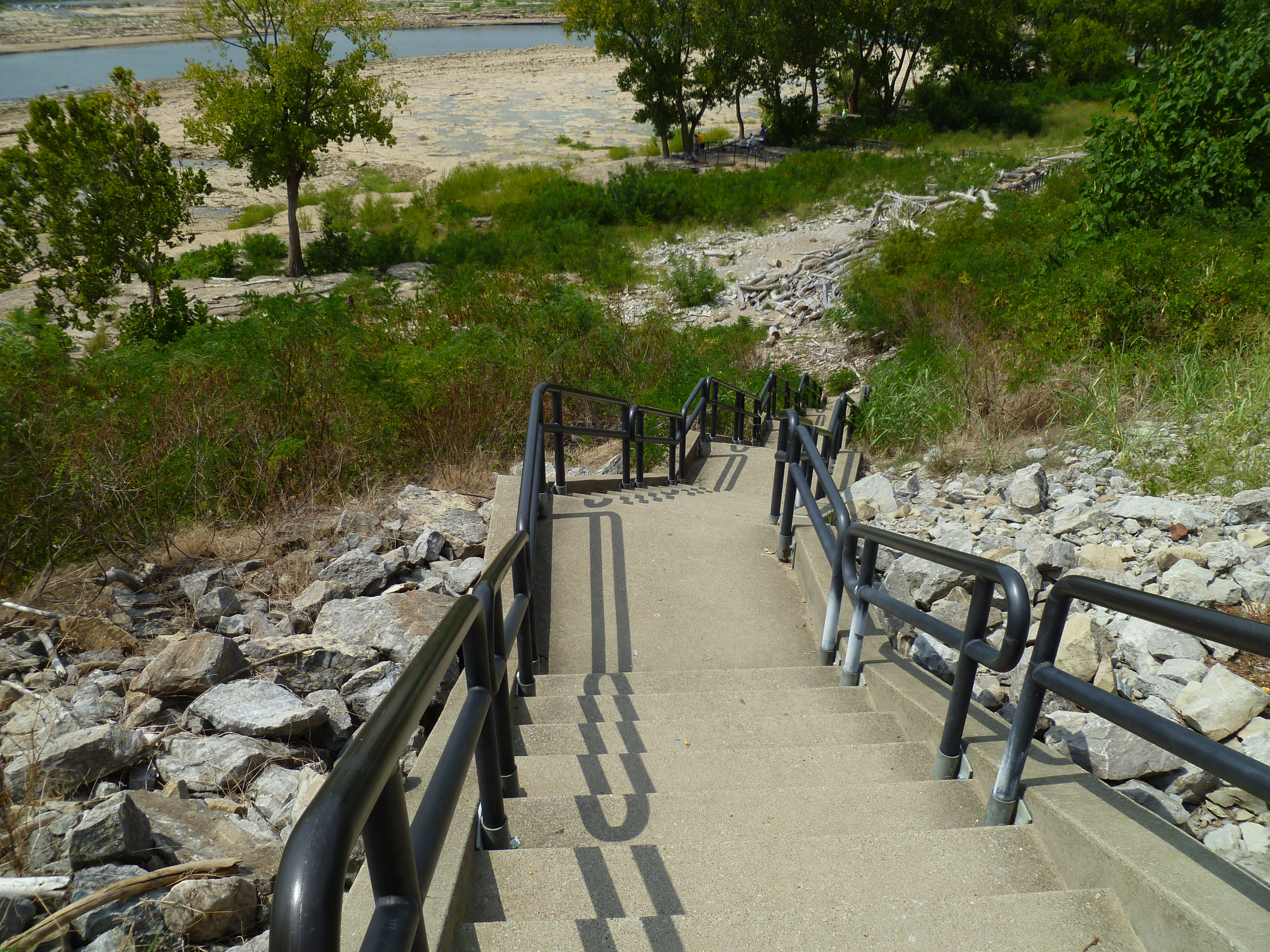
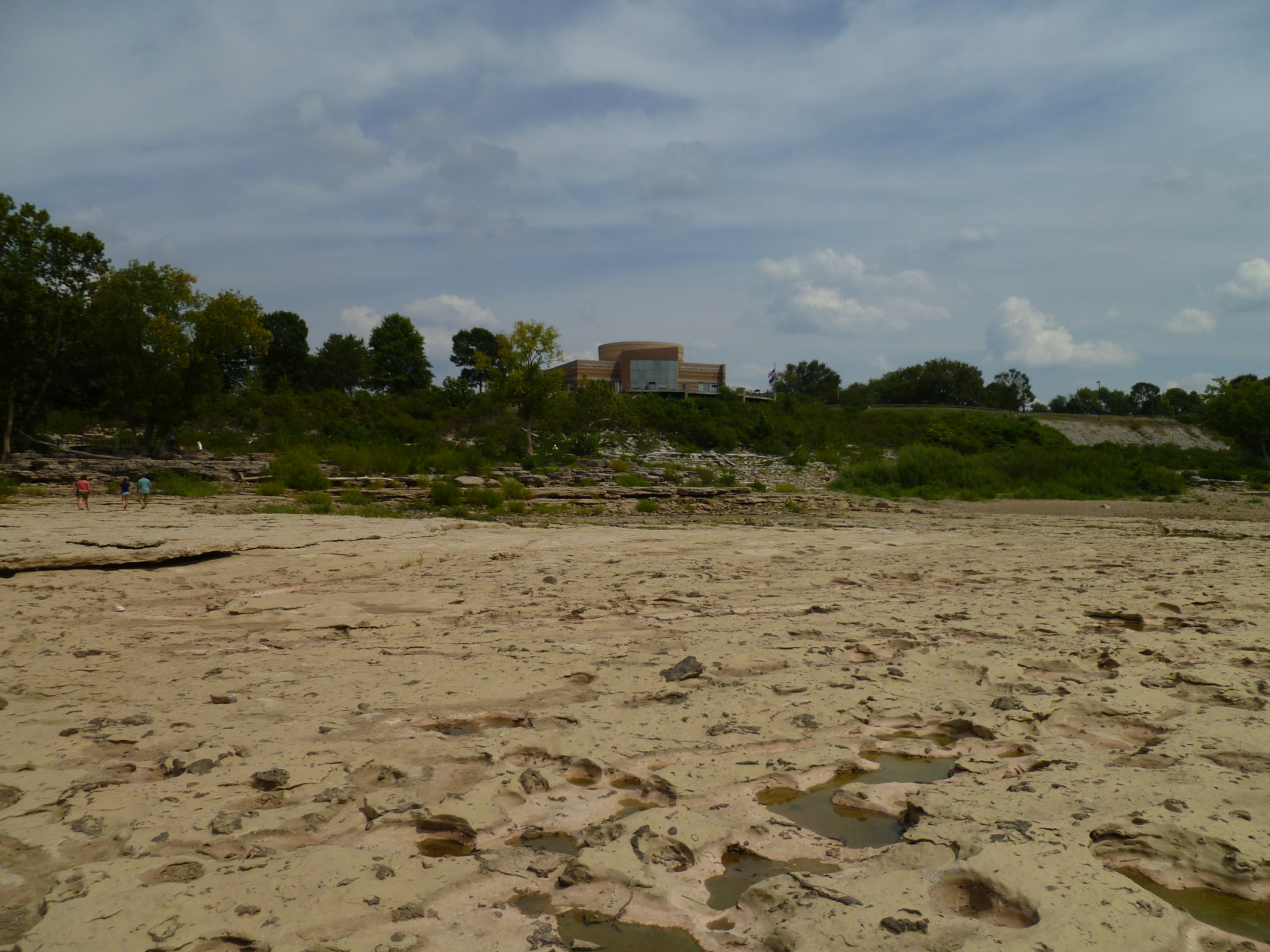
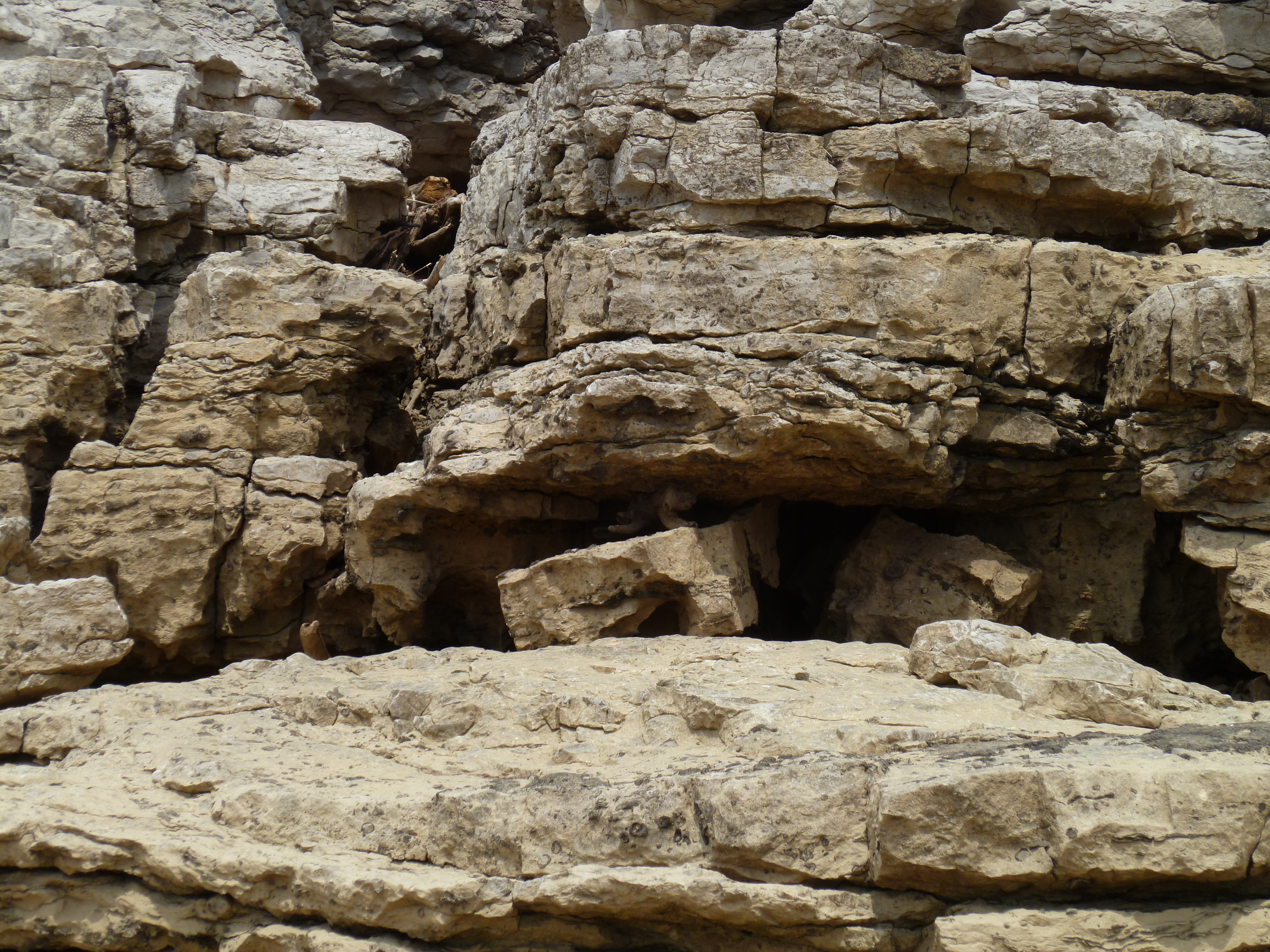
I headed out and passed back down the ramp and stairs onto the rocks leading down to the Falls area.  This whole rocky outcrop looks like a limestone quarry.  August 27, 2012 023 It’s a little tricky finding your way down, if you don’t take the civilized way over the sidewalk and wheelchair ramps.  August 27, 2012 022August 27, 2012 019I decided to climb down over the rocks and eventually found myself out on the expanse.   Everywhere I looked, there were fossils under my feet and there was even an area of fossilized footprints!  August 27, 2012 031

Once I got down on the bottom level, I was able to carefully choose my path and wander around.  The ground underfoot was a bit irregular so I had to choose my steps carefully.  Of course, the heat was tremendous down low, so I was armed with a good hat, sunglasses and a bottle of water.

I spent my time, as did other tourists with my head down and my eyes glued to the ground, taking in all the unique fossils underfoot.

August 27, 2012 025

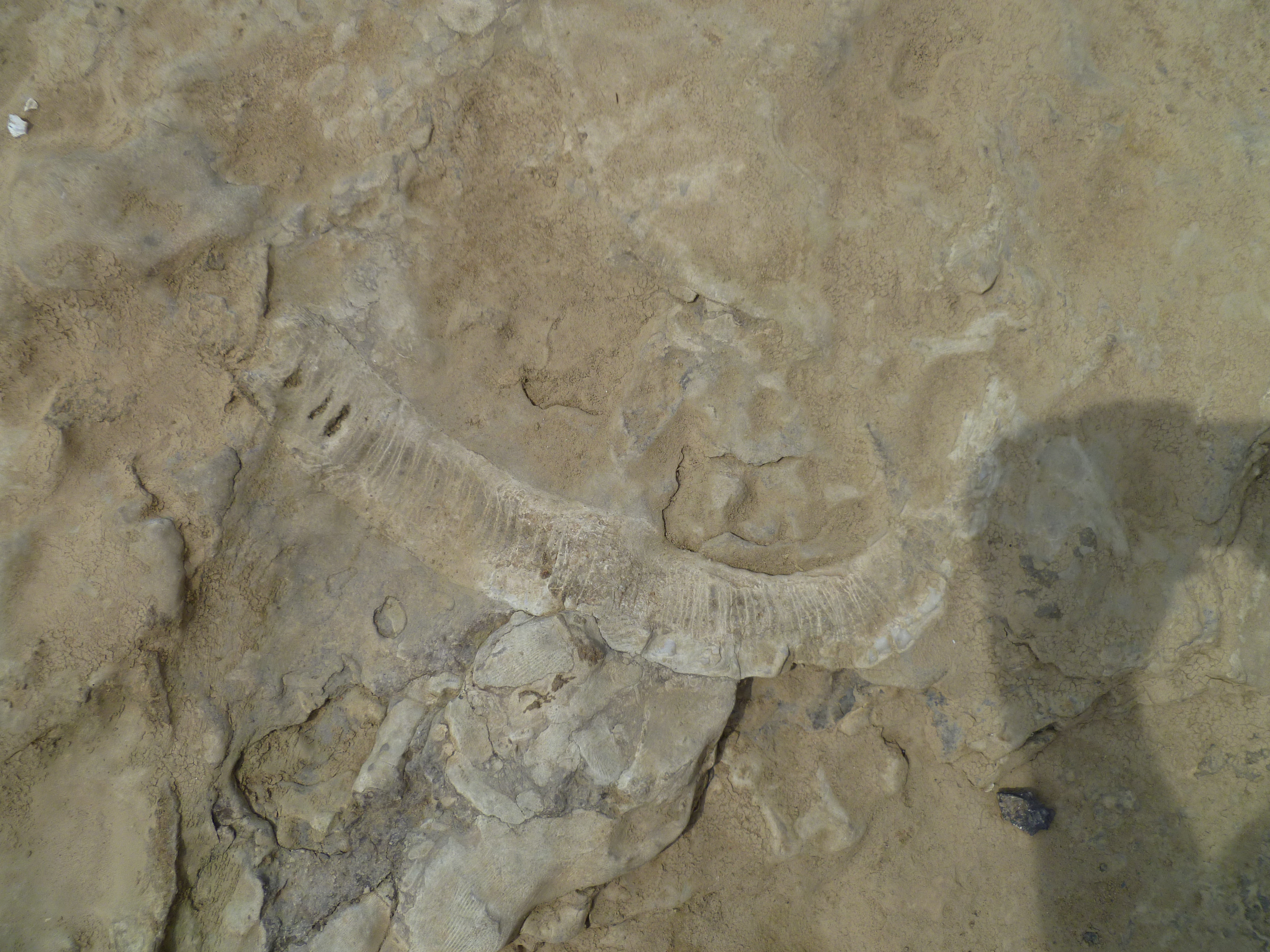
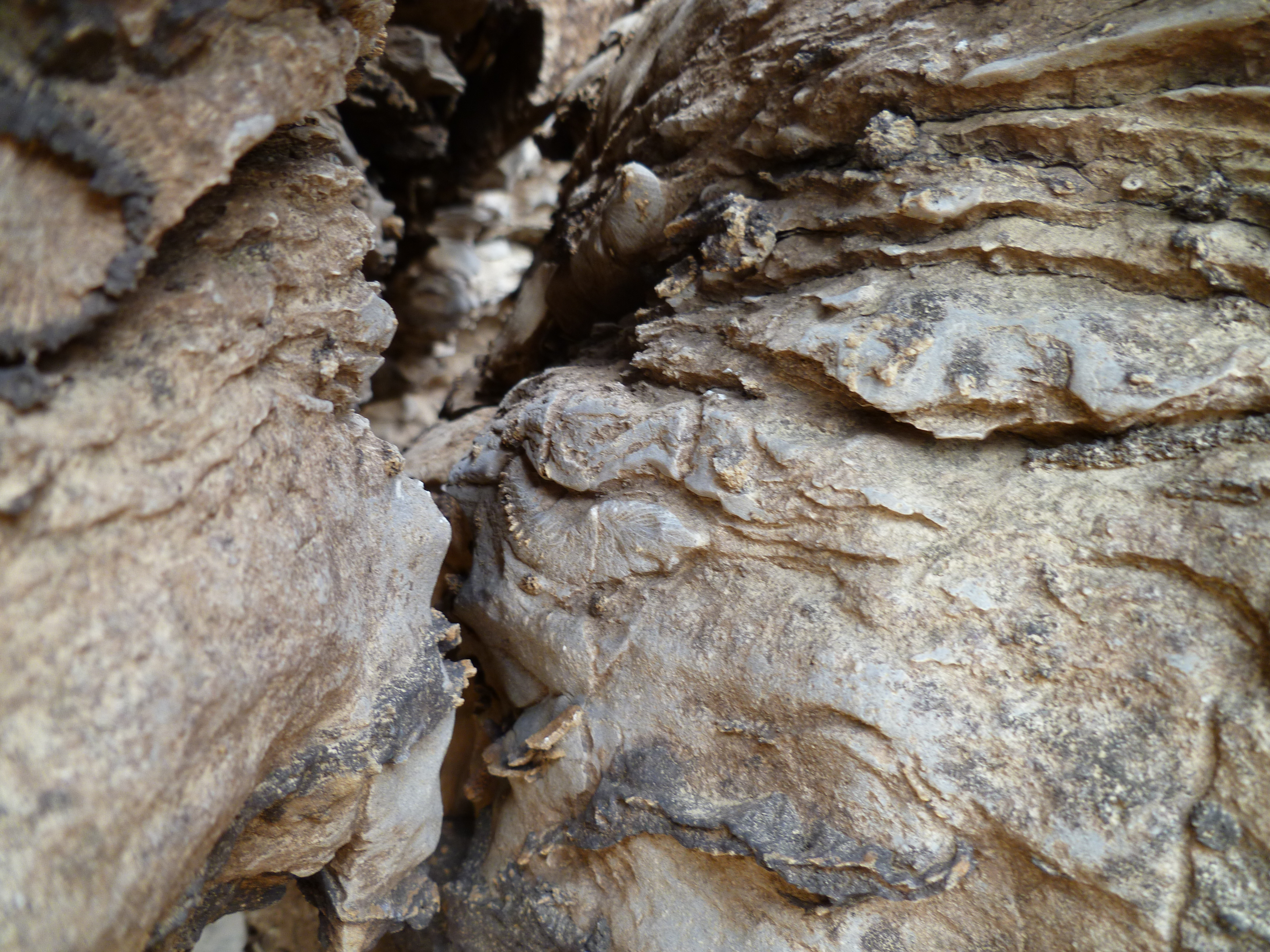
August 27, 2012 026Underfoot, I could see the remains of coral, sponges, brachiopods, arthropods and so on.  Along the banks, or walls of the limestone deposits are layers that you can look into and see how the sediments were laid down. August 27, 2012 036

August 27, 2012 033

There were areas that were cavern like, August 27, 2012 039

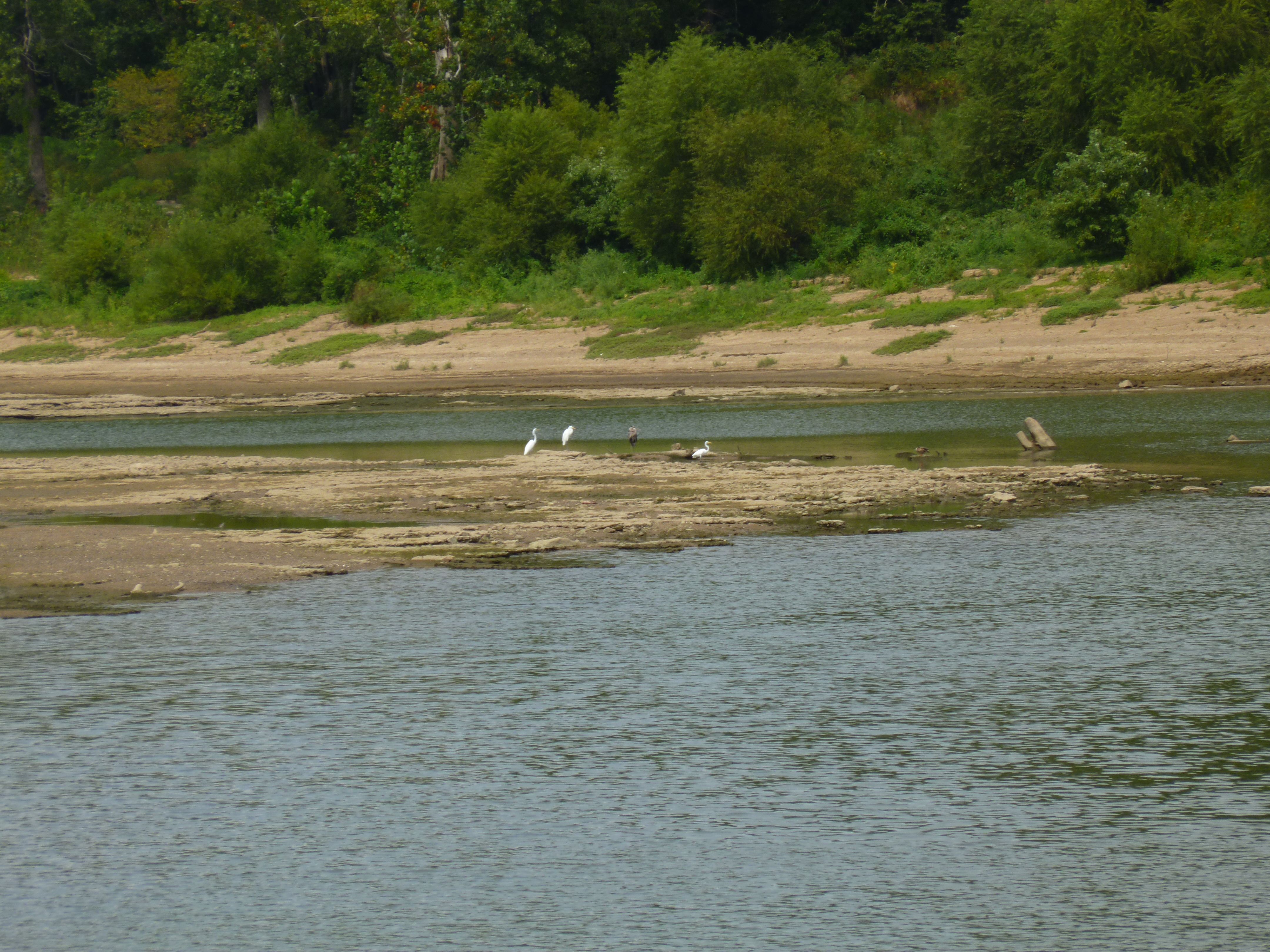
And as one looks out across the water, you can see that it is a big nature preserve with native birds and animals of the area.August 27, 2012 042

This area is a great place to also bring your bicycles or hiking shoes and day pack and explore the natural beauty.

Posted on by anniedm778 | 5 Comments

How Not to Bake a Baguette!

Do you assemble things, recipes, bookcases, etc. without reading the instructions?  Yes, that’s me, sometimes.  I’m not known to be an impulsive person, but I do know how to cook and I consider myself a good cook.  But, when learning something new in the cooking world, I tend to think “Oh, I can handle that!” because I know the basic assembly of most recipes.

I love reading David Lebowitz’s blog at www.davidlebovitz.com and came across a post he had about the baguettes he buys in Paris.  You can read his post here:  http://www.davidlebovitz.com/2013/01/in-praise-of-sesame-baguettes/   I have had baguettes here from various grocery stores and restaurants (I’m sure they are nothing like the ones he buys in Paris) and I wanted to see if I could reproduce them to get that crusty exterior with the soft texture inside.  In actuality, I would love to be in Paris and taste the real thing.

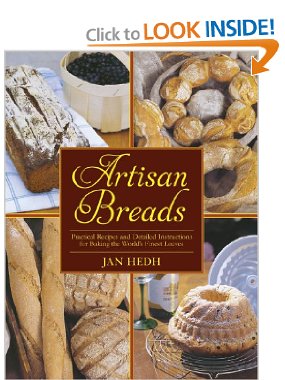
So, off I went to my public library to find a good cookbook.  I happen to live in a University town and the libraries here are excellent and up-to-date with all the latest books and resources.  I could have looked for a recipe online, but instead chose to get a physical book, at least for now.  I did find a book,  Artisan Breads by Jan Hedh, 61rIp-L2lSL._BO2,204,203,200_PIsitb-sticker-arrow-click,TopRight,35,-76_SX285_SY380_CR,0,0,285,380_SH20_OU01_published in 2011, checked it out and headed home thinking I would just whip up those baguettes in an afternoon.  Well, that’s what I thought, lol.   You can check out this book at http://www.amazon.com/Artisan-Breads-Practical-Detailed-Instructions .

I started skimming through the book, reading about the ingredients and methods.  There were recipes and photos for beautiful artisan breads.  It was a little confusing at first because the author writes about actual methods used in artisan bread shops in Europe and there were methods I was not familiar with.  Don’t get me wrong, it is an excellent book on baking artisan breads, but I finally figured out that the book was originally published in Sweden and of course translated into English and the ingredients and terms were not the same as what I use here in the US.  I did a little research on the internet via Google and found a website on baking breads – http://www.thefreshloaf.com and did a search in their forums.  I found a discussion about the difference in ingredient terms from one country to another.  I thought I had gleaned enough information and picked a ‘poulish’ starter recipe to try.

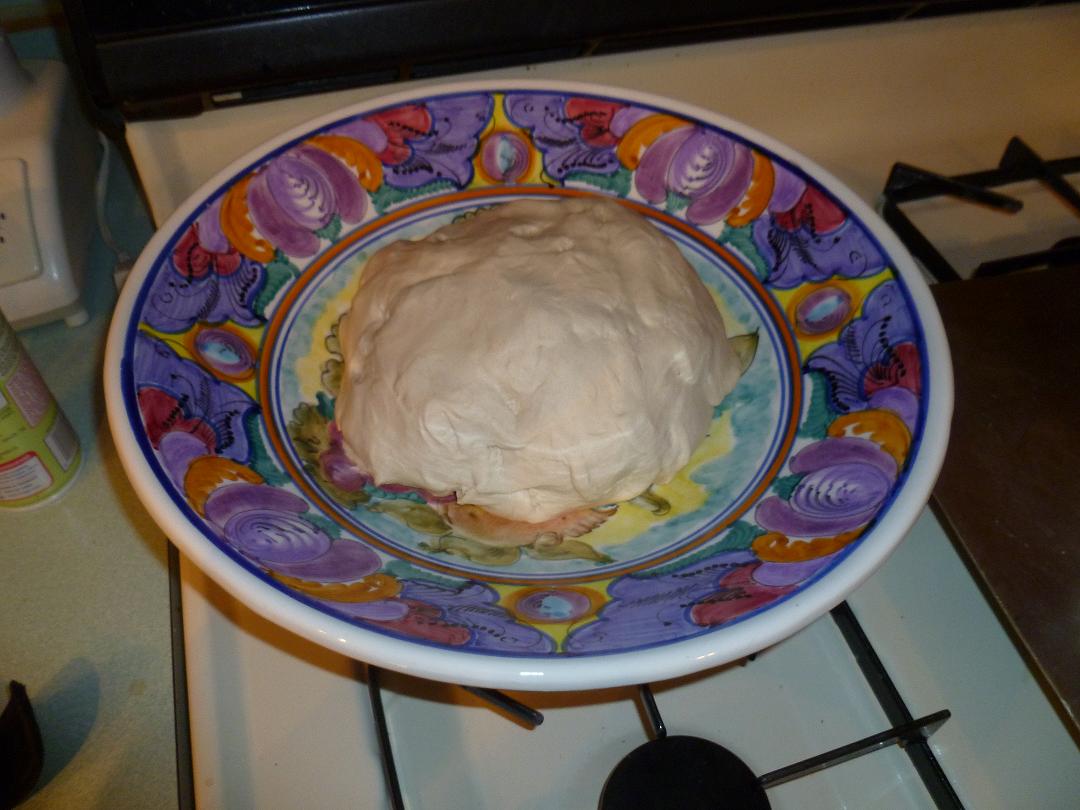
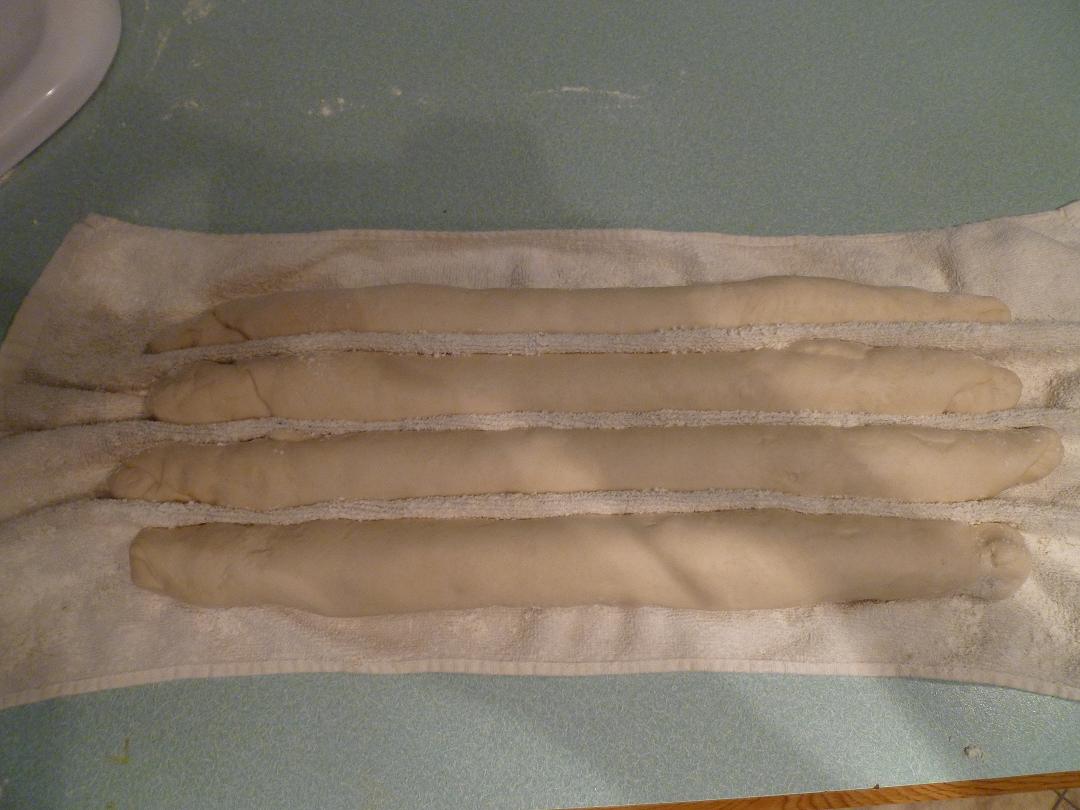
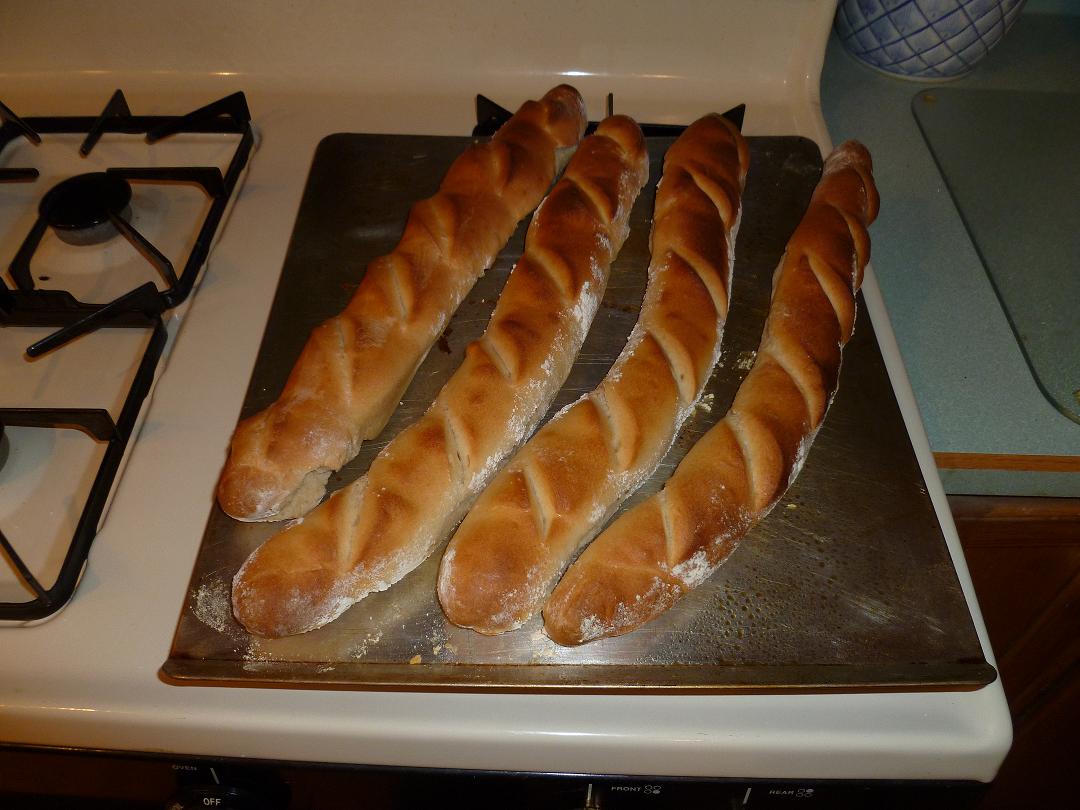
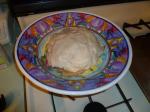
I followed the instructions to make the starter using bleached all-pupose flour, set it to raise (which didn’t really raise much at all), came back and combined the starter with the actual baguette recipe ingredients and then started that raising, February 22, 2012 Baguette Making 0033February 22, 2012 Baguette Making 01010formed the loaves and baked them (alas they didn’t raise much at all either).  This took hours to do, mostly because I was proceeding slowly.  The end product of course was heavy and chewy, not the soft and crispy texture I was looking for. February 22, 2012 Baguette Making 01414 This was all because I used regular all purpose flour (hence operator error) .  Heavy and chewy will work, I used it to make toast and even made dog treats for my pets, slicing off little rounds and seasoning them.  My little papillon Jasper  just loved them.  They would make great croutons too or for spreading appetizers on.  It sounds funny, but the pet treats are a definite way to use up one’s baking mistakes as long as the toppings are pet-healthy.

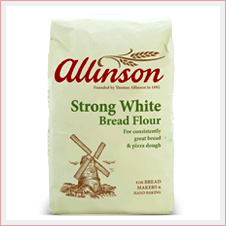
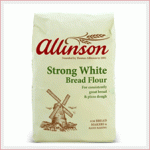
The type of flour I used is what caused the recipe to fail for me.   The recipe book called for a ‘strong’ flour.  strong-white-bread-flourHere we don’t use that term, and turning to the above mentioned website forum, I learned that in England, this term means a flour produced from wheat that is robust and hardy.  Most UK flours are called ‘soft’ flours because the wheat there has a shorter growing season, it’s not as robust and when used, the gluten is not as good.  The best wheat is grown in the Midwest US asi_nace_una_nueva_arepa-300x223and the flour I should have used here was a bread flour.
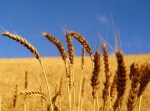
The flour we here call ‘cake flour’ is similar to the all purpose flour in the UK.  I have read that their all purpose flour is not as ‘strong’ as the US all purpose flour and should not be used for bread making, but rather for pastries, cakes, cookies, etc.

I returned to the store, bought the bread flour, 1600010640came home and tried a recipe I found online at  www.kingarthurflour.com.  This recipe produced a lovely loaf of bread for me within a few hours, soft on the inside and crispy on the outside.  Here is the recipe I used:

Ingredients:

Starter

  • 1/2 cup (113 g) cool water
  • 1 cup (120g) King Arthur Unbleached All-Purpose Flour
  • 1/8 teaspoon instant yeast

Dough

  • All of the starter
  • 3 1/2 cups (418g) King Arthur Unbleached All-Purpose Flour
  • 1 cup (227g) lukewarm water
  • 1 1/2 teaspoons salt
  • 1/4 teaspoon instant yeast

Directions:

 1) Mix the starter ingredients till smooth, cover, and let rest at room temperature overnight.

2) Next day, mix the starter with the remaining ingredients, kneading until the dough is nice and springy, but not totally smooth. Place the dough in a lightly greased bowl, cover, and let it rise for 3 hours, gently deflating it and turning it over after 1 hour, and again after 2 hours.

3) Divide the dough in half, and shape each half into a rough oval. Wait 15 minutes, then fold each oval lengthwise, sealing the edge, and use cupped fingers to gently roll each piece into a long (about 17″) log. Place the loaves onto a lightly greased or parchment-lined pan, cover, and let them rise* till they’re puffy but not doubled, about 2 to 2 1/2 hours. Towards the end of the rising time, preheat the oven to 425°F. VERY gently, use a sharp knife or razor blade to make three diagonal 1/3″-deep slashes in each loaf. Mist the loaves heavily with warm water. Bake the baguettes for 22 to 28 minutes, till they’re golden brown. Take the baguettes off the pan and place them right on the oven rack. Turn off the oven, crack the door open about 2″, and let the baguettes cool completely in the oven.

*For extra-crisp baguettes, cover the shaped loaves, let them rise for 30 minutes, then refrigerate overnight. Next day, take them out of the refrigerator and let them rest at room temperature, covered, for about 3 hours, or until they’re nice and puffy. Then bake as directed above.

and a link to the recipe over at King Arthur Flour:  http://www.kingarthurflour.com/recipes/french-baguettes-recipe    It was tasty and delicious smeared with butter and homemade cherry jam.  Unfortunately, I gained 5 pounds experimenting with these recipes!

Posted in French Food | Tagged | 4 Comments

Galette des Rois

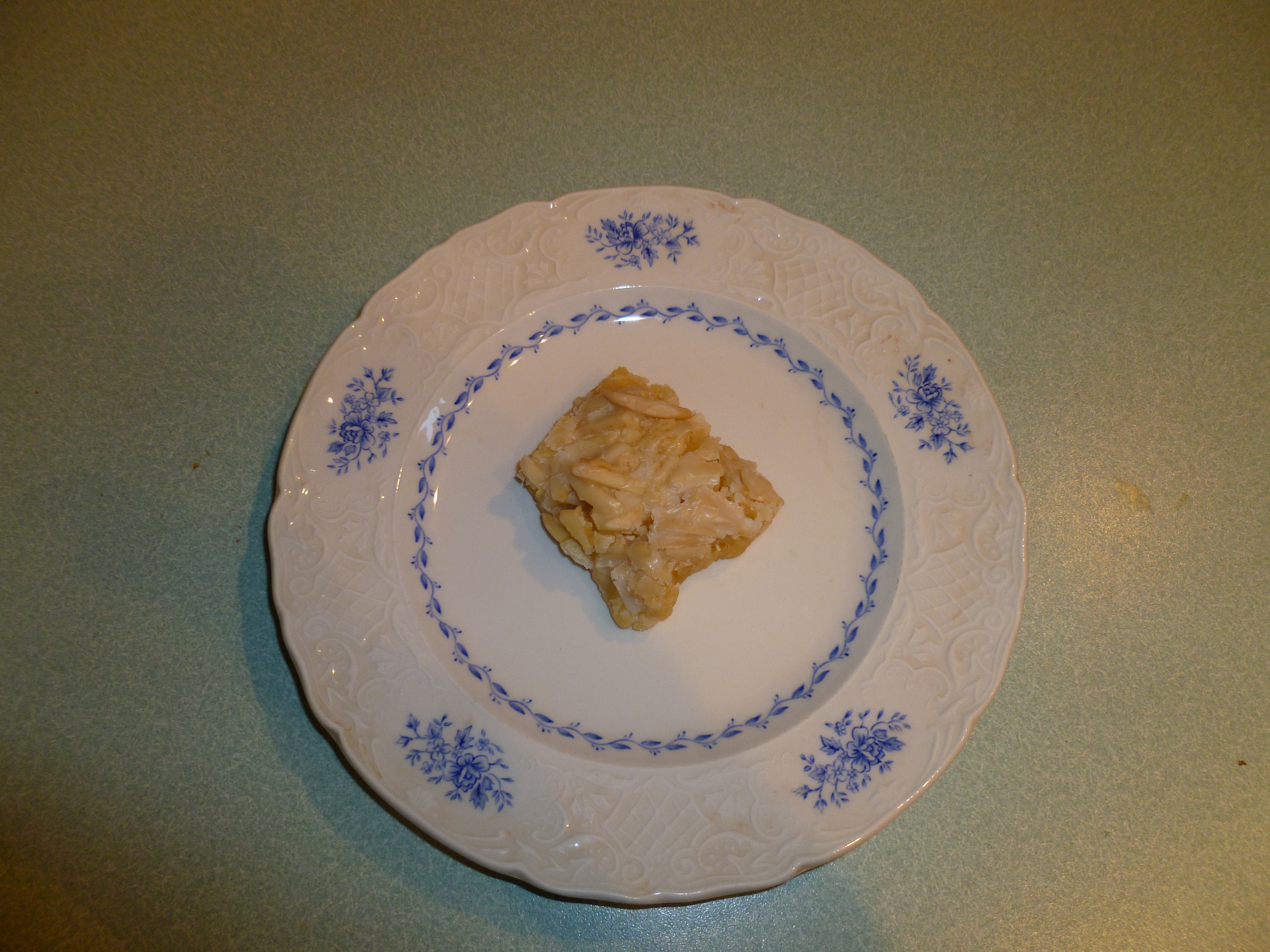
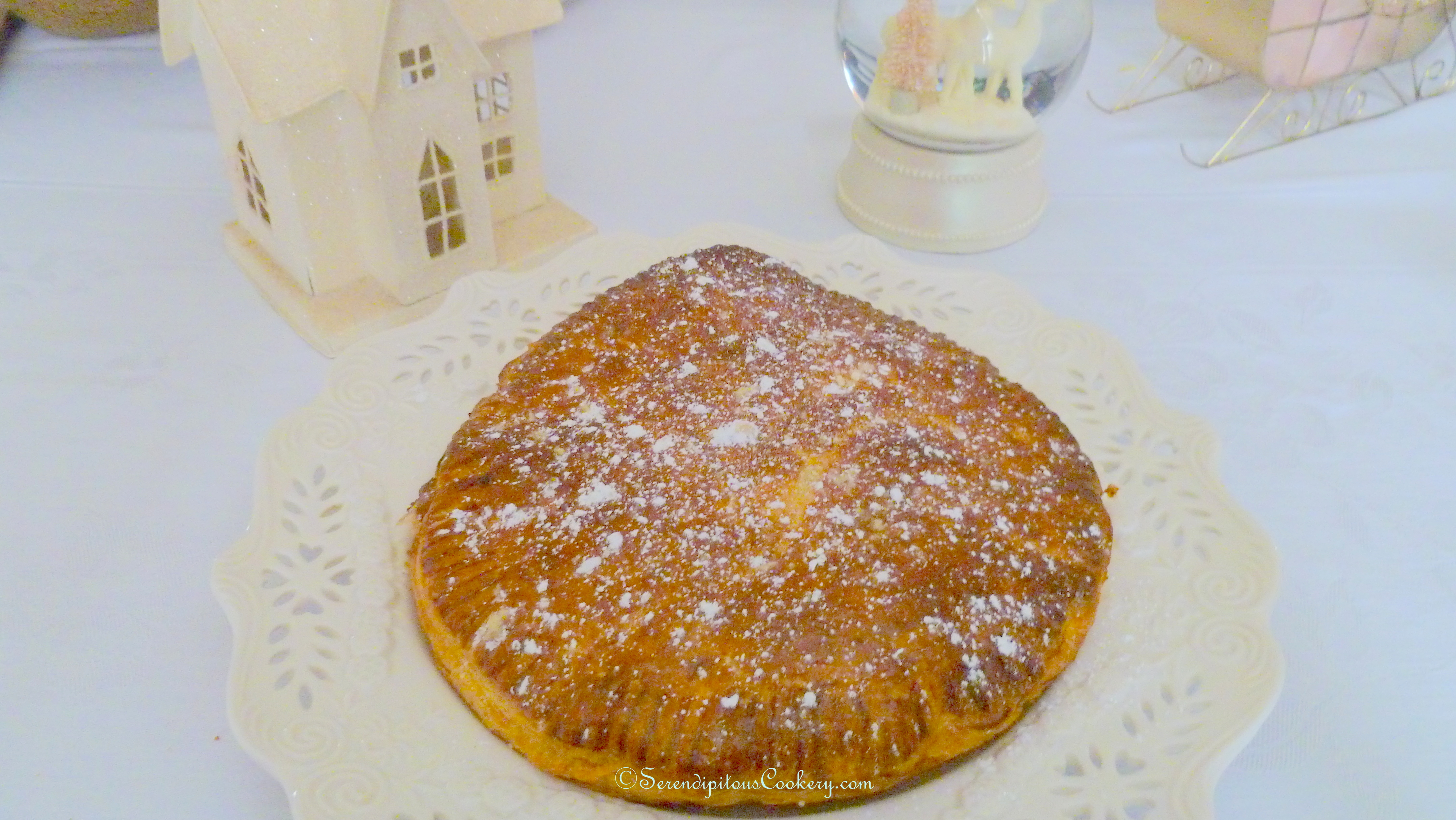
Galette des Rois (or “King Cake”) is a cake well known in France and Canada, baked during the Christmas Epiphany season.  I don’t know how I missed this recipe growing up even though I have French roots in my DNA, lol.  I don’t remember it ever being cooked in my family but I am sure my grandmother probably ate it at some time in her early years in Canada.  It has a an almond filling and somewhere in the filling is a little prize.  The person served the piece with the prize inside is the lucky one and is known as the “King” or “Queen” of the day.     I had come across several articles on cooking blogs about this recipe, which is served on January 6th, and the day after, my daughter, who teaches dressage horse riding lessons, brought me some almond bars that a student had given her.  My daughter, being a vegan now, decided to not eat them and thought I’d want to eat them.  My first thought to her was, oh! Yesterday was Galette des Rois day in France.  Could it be her friend baked these almond bars because of this holiday?  So, she left and subsequently saw her friend at the stables and sure enough, that is why she baked them.  It turns out, her husband has French Canadian heritage and every year his family bakes the Galette des Rois.  These almond bars are a sort of shortcut to making the cake.   Small world!    Below is a photo of the cake that I made and the almond bars too.

Almond Shortbread Bars

Almond Shortbread Bars

January 5, 2014 Gallette des Rois 034

Posted in French Food | Tagged | Leave a comment

Weekly Photo Challenge – “Inside” The Rouge Box

I decided that my contribution to the Weekly Photo Challenge would be “Inside The Rouge Box”.

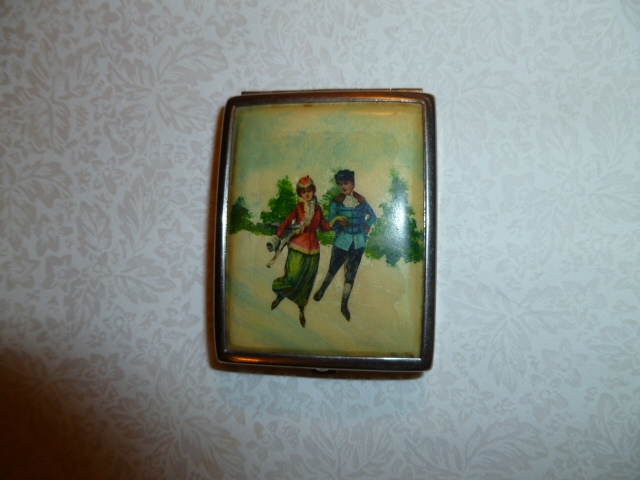
When I was a little girl, having been raised by my grandparents, I would sometimes tip-toe into their bedroom on a quiet afternoon and open one of my grandmother’s dresser drawers to see what treasures lay within.  One old wooden box held her simple jewelry collection and little mementos from throughout her lifetime.  Inside this box, I would find a cameo necklace, an old watch worn by my grandfather, a little frame given to her by her children for Mother’s Day, her deceased brother’s napkin ring with this initials embossed in it, her great grandmother’s watch from Switzerland and various other little objects.  But the one thing I loved to bring out and touch and look at was her rouge box.   As you can see by the photo, it is old and has a scene of a young woman and man walking arm and arm together in the winter.  Image

I would gaze at it, turning it over and over, looking at the green back of it, all scratched from years of use.

Wanting desperately to see what was inside, I searched the edges for an opening clasp …. and yes, there it was on the bottom edge.  With my chubby little fingers, I pressed the lever and the rouge box popped open to reveal a compartment half filled with an old hardened chunk of rouge.

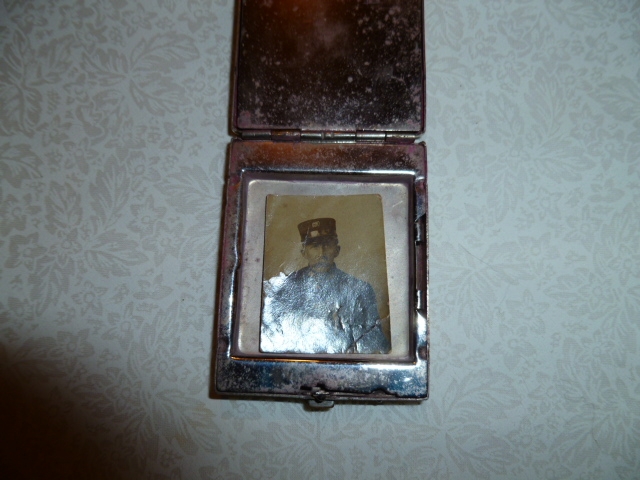
A second glance showed me that there was a mirror and picking up the mirror, I found there was a little rouge puff sitting in the bottom compartment.  Thinking I should try out this new found makeup, I picked up the puff and found the real treasure “inside” the rouge box:

For there I found a picture, long ago inserted by my grandmother, of one of my ancestors – her grandfather, a French Canadian man, who had served in the Canadian Military sometime in the late 1800’s.   He is depicted in his full dress uniform.

Image

I have continued to carry this rouge box and its hidden treasure with me throughout the years and and when I hold it, I recall the stories my grandparents told me about life in Canada before they moved to the United States.

And there you have it – my “Inside” challenge photo.

Posted in Weekly Photo Challenge | Tagged , , | 2 Comments

Long Island Where?

Continuing with my thoughts on Tennessee, in 1986, after my son was born, I visited with my Great Aunt Molly.  She was Jasper’s sister.  She, like my grandfather, was a keeper of family memories and stories.  She told me several stories about my grandfather and herself.  One thing she told me was that my grandfather’s paternal ancestors were 2 brothers who came to New York and bought property on Long Island, Wall Street in particular, she said.

After some years of family research, I discovered, much to my surprise, that there was another Long Island and it was located in the middle of the Holston River in Kingsport, Tennessee , not too far from where my grandfather’s ancestors settled.  I think it is highly probable that the stories passed down through the years took a detour from the truth, retaining pieces of fact, and just needed a nudge back in the right direction.  I found my ancestors, the 2 brothers she mentioned, living in a fort on the Long Island in the middle of the Holston River, along with a group of soldiers and families who were trying to establish homes in that area in the late 1790’s and some of those families moved on to the Kentucky territory.  Long Island was a launching point for the settlement of Eastern Tennessee.  Another interesting fact I found was that these two ancestors of mine actually did some traveling with Daniel Boone.   These two brothers were known as “long hunters”, meaning they spent many months traveling through the wilderness on long hunting trips, sometimes hooking up with Daniel Boone on their travels. So, my Great Aunt Molly was correct in saying they lived on Long Island, but it was in Tennessee, not New York.  Alas, I lose the illustrious connection to Long Island, New York (smile) but I think my Tennessee history is just as fascinating, if not more.

Long Island has since lost it’s historic character and been overrun by industrialization.   For those of you who would like to know more of this interesting chapter in Tennessee History, here is a link to Wikipedia’s article:  http://en.wikipedia.org/w/index.php?title=Long_Island_(Tennessee)&oldid=459802299

File:LongIslandoftheHolston.jpg

File:Longisland.gif

File:Holston-river-valley-clinch-tn1.jpg

({{Information |Description=The Holston Valley in Tennessee, looking south from the Veteran’s Overlook on the crest of Clinch Mountain (southeastern United States). |Source=self-made |Date=2/17/2008 |Author= Brian Stansberry|Permission=)

Posted in Tennessee Travel | Tagged , , , , | Leave a comment

Where it all starts . . .

Foothills of the Great Smokey Mountains

My Grandfather Jasper was a man full of character gleaned from devoting a long life to farming with his wife, family & his God.  On a misty early morning sometime around 1915, his parents put this energetic red-headed teenager on a train in Eastern Tennessee expecting him to visit his brother in Indianapolis.  Imagine his brother’s surprise as Jasper stood at the back of the train, waving goodbye, a big grin on his face and a fresh ticket to Canada.  It was the beginning of a very grand adventure for him.   He took with him the traditions of the Southeastern US, a slow Southern drawl, a love for the great outdoors and a love of the food that was the foundation of most Tennessee meals ~ cornbread, bean stew, grits, collard greens and Virginia ham.

Cornbread was an historical staple of the early United States.   It is made in various forms, and is made sweet or savory.  It is also known as corn pone, johnnycakes, and hushpuppies. Early Native Americans used ground maize for food thousands of years before European settlers arrived in the Americas.  It was these same Native Americans who showed the early settlers how to grow and use maize.

Here is an Easy Sweet Cornbread recipe that I like to make:

  • 2 eggs
  • 1 1/4 c. buttermilk
  • 1/2 t. soda
  • 1 cup flour
  • 1 1/4 c. corn meal
  • 1/2 c. sugar
  • 3/4 t. salt
  • 1/3 c. shortening or butter

Preheat oven to 375 degrees, grease 8 inch square pan.  Melt the shortening or butter, beat the eggs with the buttermilk and then add the melted shortening and the sugar.  Combine the flour, corn meal & salt and combine with the wet ingredients.  Pour into the greased pan and bake for 30 minutes.  Check with a toothpick to make sure it is done in the center.  

Wikipedia contributors, “Cornbread,” Wikipedia, The Free Encyclopedia, http://en.wikipedia.org/w/index.php?title=Cornbread&oldid=433267768 (accessed June 26, 2011).

Posted in Family History, Tennessee Travel | Tagged , , , , , , , , , , , | 1 Comment